Home / Shop


- Description
- Customer Reviews (0)
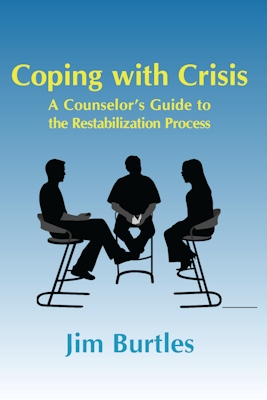
In the wake of a catastrophic event, the witness may discover or experience unsettling emotions which can trigger subsequent behaviors. These reactions can lead to a number of consequences, some of which are unproductive. Restabilization is a practical means of addressing these reactions and the resultant issues. It is a four-step process of self-discovery guided, but not led, by a counselor; aimed at restoring someone's confidence and improving their capability to deal with life's problems. The person is encouraged, and enabled, to view the event as a learning experience with an opportunity to improve their performance in relation to unexpected problems.
The four stages of the process are described in detail, together with examples of model sessions and rules of engagement which serve to ensure the effectiveness of the process. There are also some Communication Exercises designed to ensure unemotional but sympathetic communication between the counselor and their client.
In addition, the Dark Serpent Dilemma and Technique offers a pragmatic way of approaching and solving the problems which life throws at all of us from time to time. Once the concept is understood it can be applied as a way of ensuring the optimum reaction to any significant event or situation.
About the Author
For several years, Jim Burtles was Principal Consultant with Safetynet PLC, where he taught business executives how to cope with, and plan for, minor emergencies, disasters and absolute catastrophes. Safetynet was a pioneering disaster recovery and business continuity company which specialized in dealing with business emergencies. Such events might range in scale from a faulty air-conditioning system to the aftermath of major earthquakes or terrorist attacks.
The original concept of Safetynet was centered on the complex computer-based operations of the modern business. However, experience soon taught Safetynet's founders that the whole of the business environment had to be taken into account. Therefore, personnel problems and many other aspects needed to be taken into consideration.
Jim acquired his expertise in disaster recovery and emergency management through direct exposure to dozens of real-life disasters, almost a hundred emergencies and countless problem situations. He also benefited from the indirect experience of many more, gained from talking to, and working with, victims of various crises.
In his current role, as a Director of Total Continuity Management, he is now working with senior executives of international corporations and government departments to help them develop complete emergency response plans and processes which include appropriate counseling and training programs to cope with emergency
Coping with Crisis is book #5 in the Explorations in Metapsychology Series from Loving Healing Press (www.LovingHealing.com)
There are no reviews yet, submit yours in the box provided.
Submitting Your Review, Please Wait
Your Review Has Been Submitted Successfully
Add a review for Coping with Crisis
You must include a title, rating, and message in your review.
Your Review Title
Your Rating
Your Review